Yoga Chikitsa · Primary Series
Ashtanga sequence
The same postures, in the same order, every practice. Written out here so you can follow it at home between festivals: 48 postures from the first sun salutation to rest.
ลำดับท่าโยคะอัษฎางค์ชุดปฐม เรียงตามแบบดั้งเดิม พร้อมจำนวนลมหายใจของแต่ละท่า สำหรับฝึกต่อที่บ้าน
How to read this
Each posture is measured in breaths rather than minutes, so the practice takes as long as your breathing takes. Ujjayi breath throughout, in and out through the nose, even and unhurried. A vinyasa, half a sun salutation, is taken between the seated postures, and postures marked both sides are done on the right first, then the left.
A full Primary Series runs about ninety minutes. If you have less time, stop after the standing sequence and go to the finishing postures. Do not skip the opening or the rest at the end.
Opening
Surya Namaskara
เปิดการฝึก
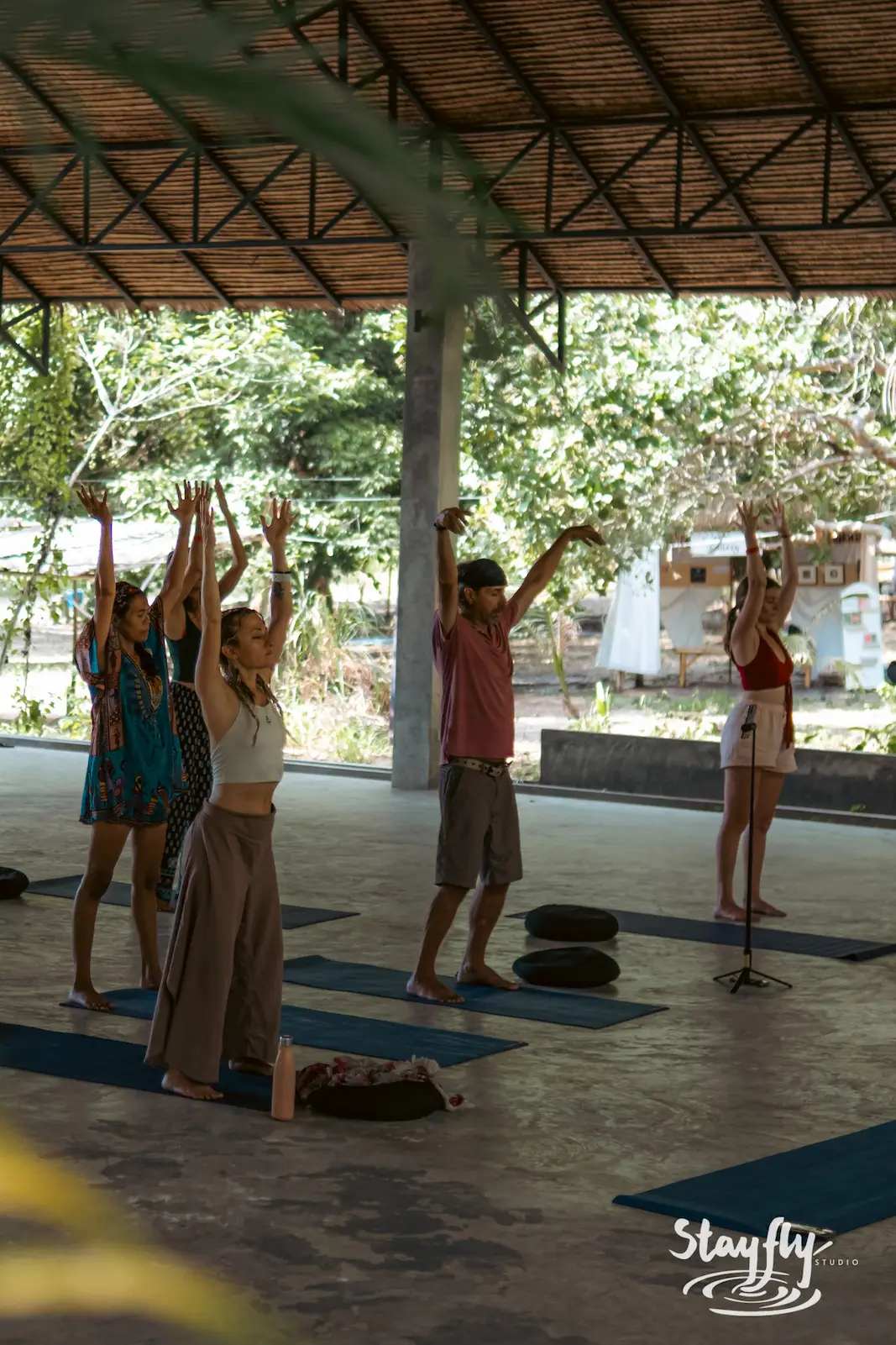
Ten sun salutations, five of each form, to warm the body and set the breath before anything is asked of it. The whole practice is built on the vinyasa learned here.
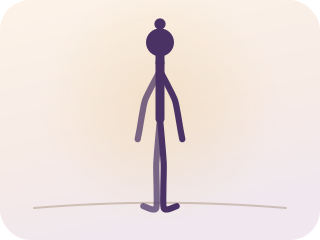
Samasthiti
Standing at attention
Settle, then begin
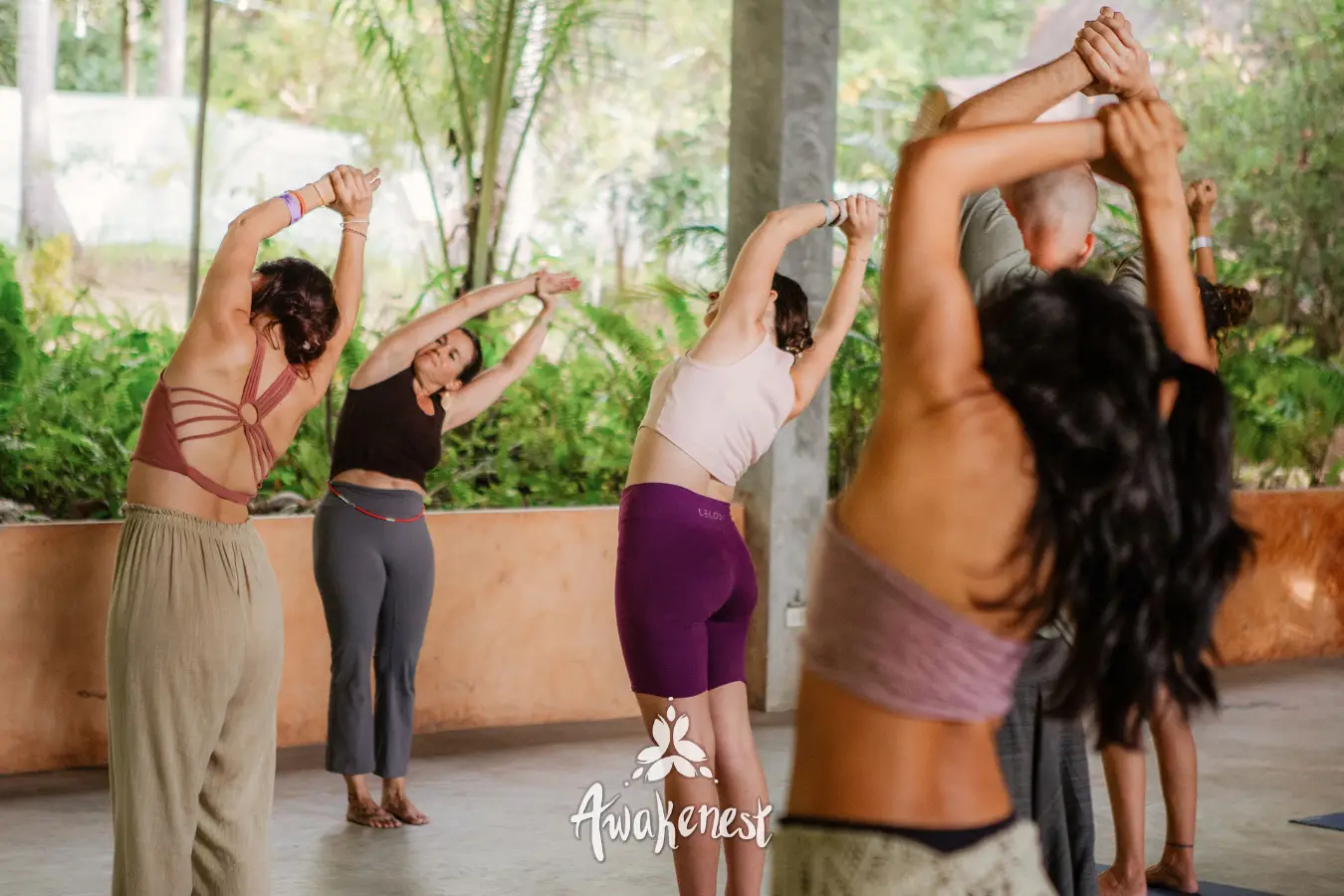
The front of the mat. Feet together, weight even, eyes soft and forward.
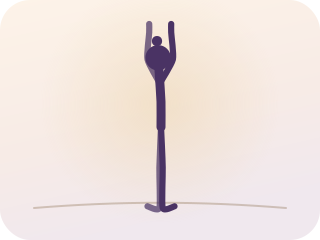
Surya Namaskara A
Sun salutation A
5 rounds
Nine vinyasas. Each movement takes one breath, and the breath sets the pace rather than the other way around.
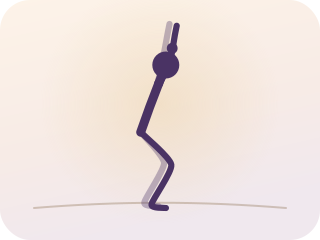
Surya Namaskara B
Sun salutation B
5 rounds
Seventeen vinyasas. Utkatasana and Virabhadrasana A are added, so the legs and shoulders are warm before the standing sequence.
Standing sequence
ท่ายืน
The foundation. Every seated posture later borrows its alignment from something here, which is why the standing sequence is never skipped for time.
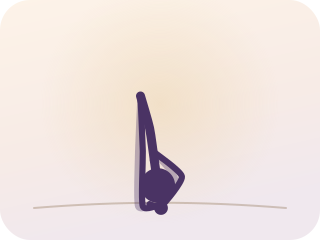
Padangusthasana
Big toe pose
5 breaths
Forward fold with the first two fingers hooked around the big toes.
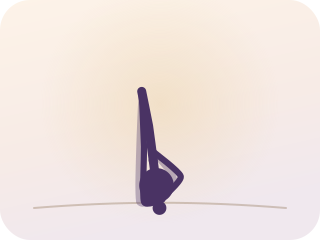
Padahastasana
Hand under foot pose
5 breaths
The same fold, palms under the soles, fingers pointing back towards the heels.
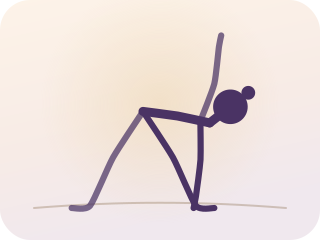
Utthita Trikonasana
Both sidesExtended triangle
5 breaths
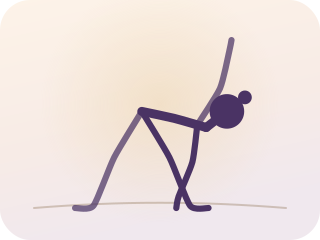
Parivrtta Trikonasana
Both sidesRevolved triangle
5 breaths
The first twist of the practice. Square the hips before turning the chest.
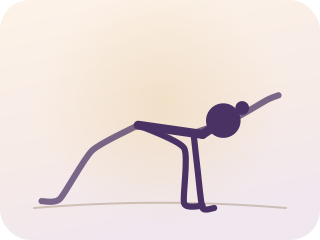
Utthita Parsvakonasana
Both sidesExtended side angle
5 breaths
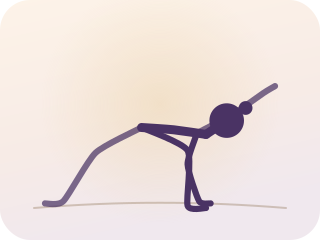
Parivrtta Parsvakonasana
Both sidesRevolved side angle
5 breaths
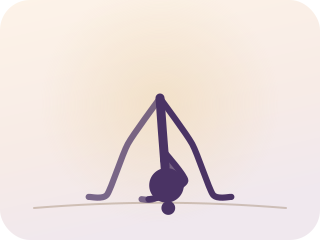
Prasarita Padottanasana A, B, C, D
Wide-legged forward fold, four variations
5 breaths each
Four separate postures, taken one after another without leaving the stance.
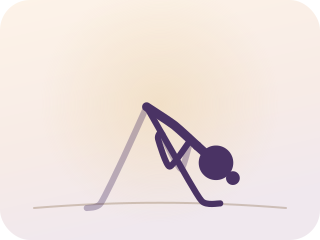
Parsvottanasana
Both sidesIntense side stretch
5 breaths
Hands in reverse prayer behind the back, or holding opposite elbows if the shoulders are not there yet.
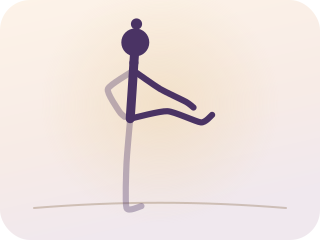
Utthita Hasta Padangusthasana
Both sidesExtended hand-to-big-toe
5 breaths in each position
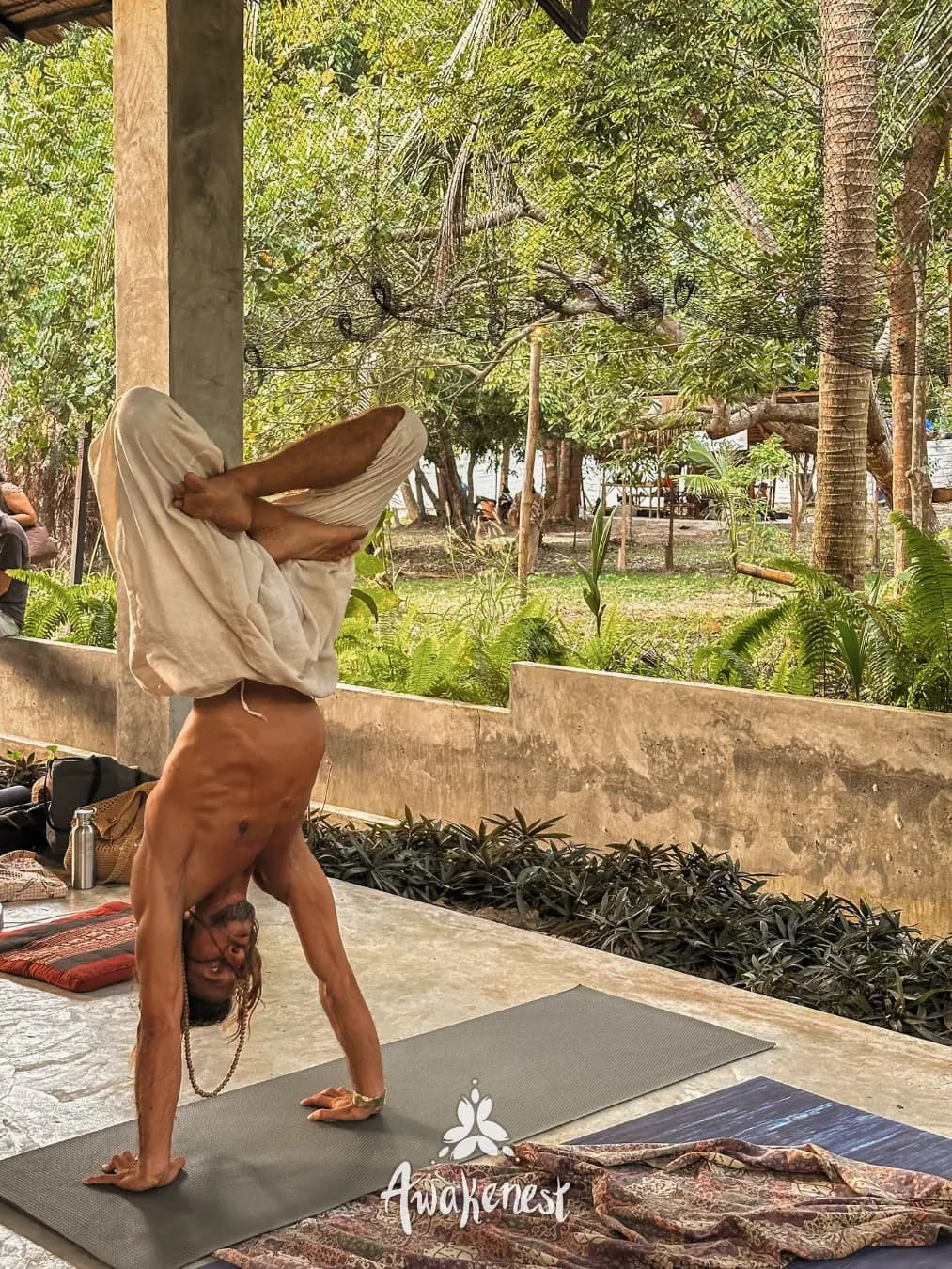
Front, side, back to front, then released with the leg held level: four positions on each side.
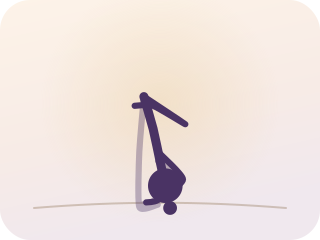
Ardha Baddha Padmottanasana
Both sidesHalf bound lotus forward fold
5 breaths
Take care: The half lotus turns the knee. Take the foot from the ankle and let the hip open, never lever the knee itself.
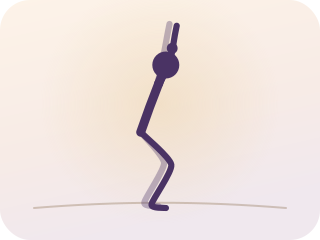
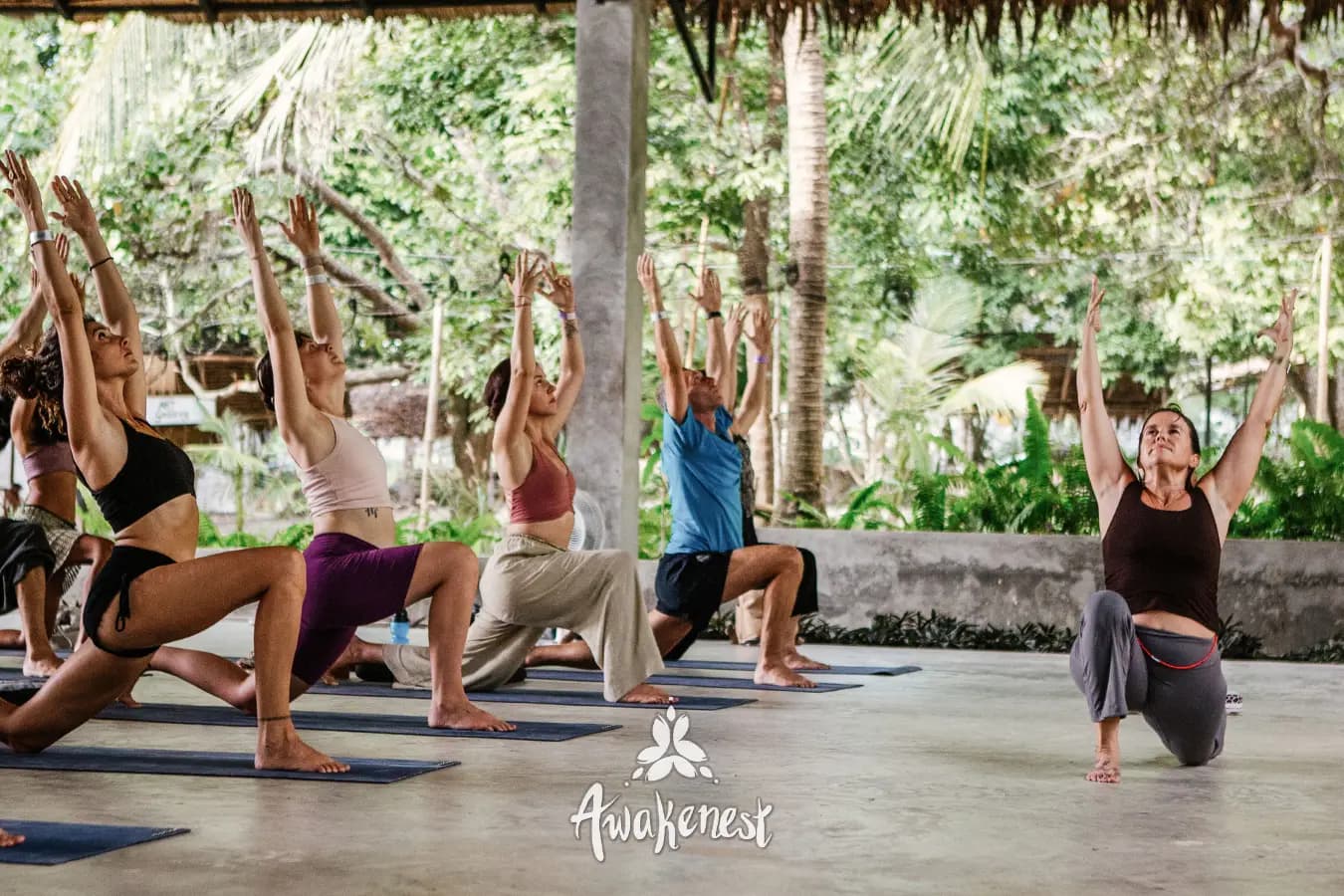
Utkatasana
Fierce pose
5 breaths
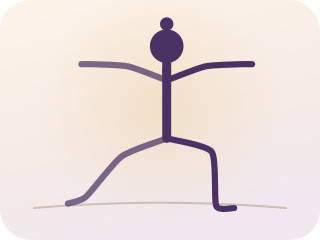
Virabhadrasana A and B
Both sidesWarrior I and II
5 breaths each
The last standing posture. From here the practice sits down and does not stand again until the backbends.
Seated sequence
Yoga Chikitsa
ท่านั่ง
The Primary Series proper. Almost every posture is a forward fold or a hip opener, and the name, yoga therapy, describes what the tradition holds the whole run of them to be for. A vinyasa is taken between each one.
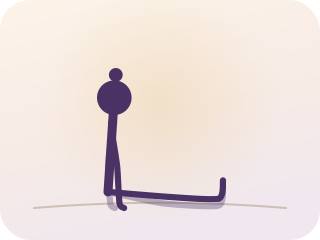
Dandasana
Staff pose
5 breaths
The seated equivalent of standing at attention, and the reference point for everything that follows.
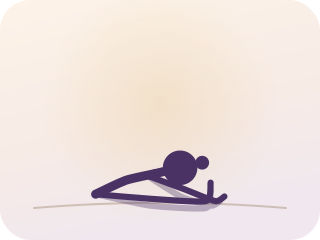
Paschimottanasana A, B, C
Seated forward fold, three grips
5 breaths each
Big toes, then the outer feet, then a wrist held beyond the soles.
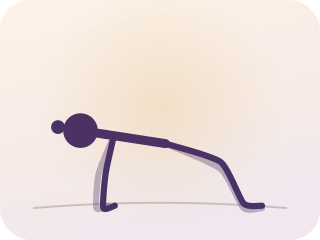
Purvottanasana
Upward plank
5 breaths
The counter-pose to the fold before it. The front of the body opens as far as the back has just closed.
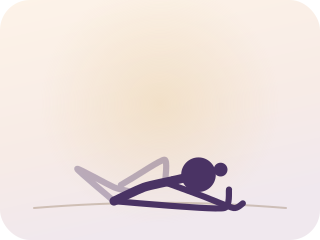
Ardha Baddha Padma Paschimottanasana
Both sidesHalf bound lotus seated forward fold
5 breaths
Take care: Same knee as the standing half lotus. Skip the bind and fold over a simple cross-leg if the knee complains at all.
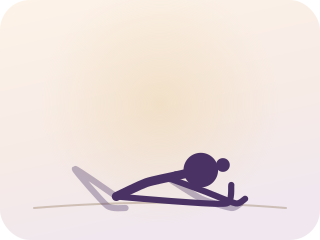
Triang Mukhaikapada Paschimottanasana
Both sidesThree-limbed forward fold
5 breaths
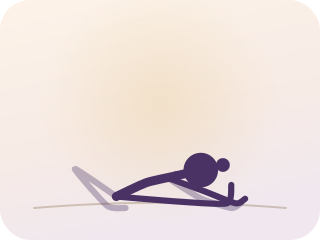
Janu Sirsasana A, B, C
Both sidesHead-to-knee pose, three variations
5 breaths each
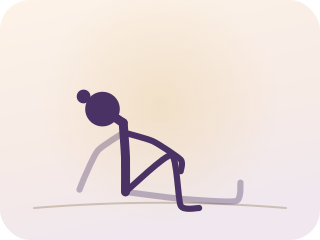
Marichyasana A, B, C, D
Both sidesPose dedicated to the sage Marichi
5 breaths each
Two folds and two twists, each with a bind behind the back. Marichyasana D is where most practitioners stay for a long time.
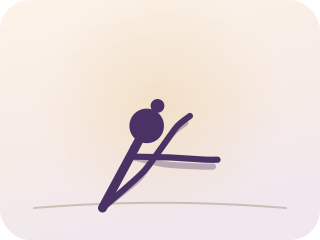
Navasana
Boat pose
5 breaths, 5 times
Lifted between each round rather than rested. This is the point of the series where the practice becomes work.
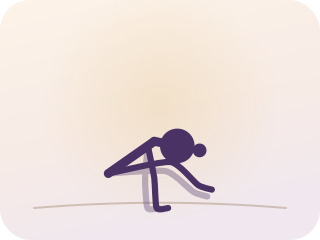
Bhujapidasana
Shoulder pressing pose
5 breaths
The first arm balance. Coming out of it, the head goes down and the feet cross for the exit.
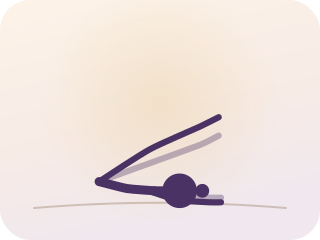
Kurmasana and Supta Kurmasana
Tortoise, and sleeping tortoise
5 breaths each
Take care: The bind behind the back is taken slowly, or with a strap. Forcing the shoulders here strains the rotator cuff.
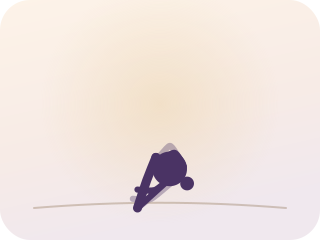
Garbha Pindasana
Embryo in the womb
5 breaths, then 9 rolls
Nine rolls in a circle, coming up a little further round each time, arriving back where the roll began.
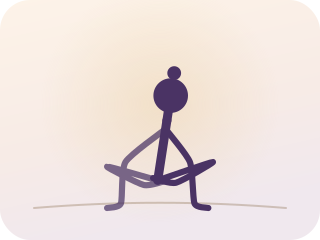
Kukkutasana
Rooster pose
5 breaths
Taken straight out of the rolls above, without unfolding the legs.
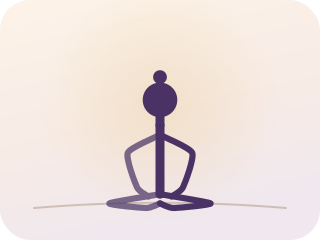
Baddha Konasana A, B
Bound angle pose
5 breaths each
Take care: Let the knees fall rather than pressing them down. The hip opens; the knee only hinges.
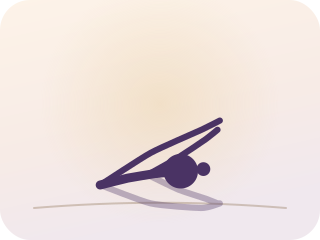
Upavistha Konasana A, B
Wide-angle seated fold, and its lift
5 breaths each
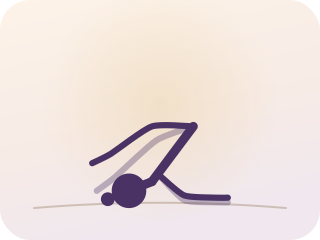
Supta Konasana
Reclining angle pose
5 breaths
Take care: The weight rests on the shoulders, not the neck, and the roll out of it lands on the backs of the legs.
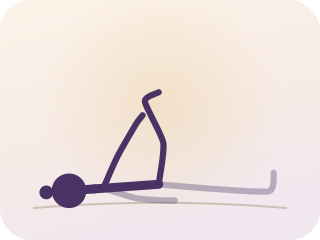
Supta Padangusthasana
Both sidesReclining big toe pose
5 breaths in each position
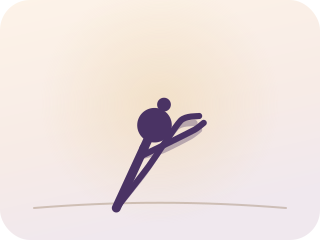
Ubhaya Padangusthasana
Both big toes pose
5 breaths
Rolled up from lying to balancing on the sitting bones in one movement.
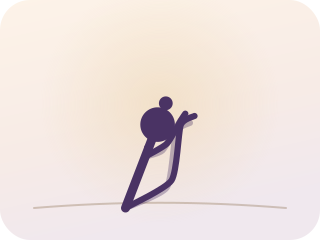
Urdhva Mukha Paschimottanasana
Upward-facing forward fold
5 breaths
The same balance, with the legs drawn in towards the chest.
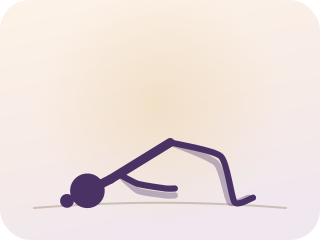
Setu Bandhasana
Bridge pose
5 breaths
Take care: The crown of the head takes weight here. If the neck is at all unwell, leave this posture out and go to the backbends.
Finishing sequence
ท่าปิดการฝึก
The same closing run whichever series has come before it. The backbends answer the forward folds, the inversions settle what the practice has stirred up, and rest is part of the sequence rather than what happens after it.
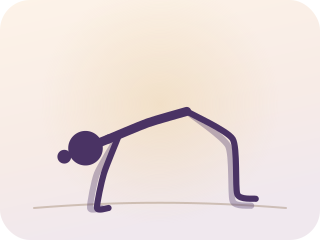
Urdhva Dhanurasana
Upward bow
5 breaths, 3 times
Lowered fully between each one. Followed by a long forward fold to neutralise the spine.
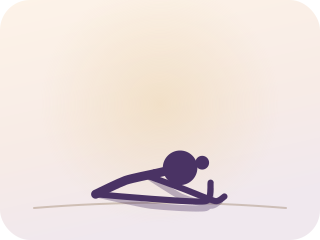
Paschimottanasana
Closing forward fold
10 breaths
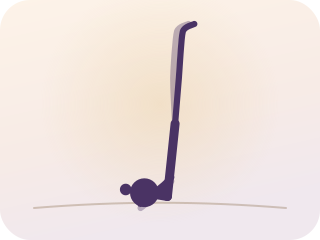
Salamba Sarvangasana
Shoulderstand
10 to 25 breaths
Take care: Learn the inversions with a teacher before doing them alone, and leave them out if you are pregnant, menstruating, have high blood pressure, a neck or eye condition, or have been drinking.
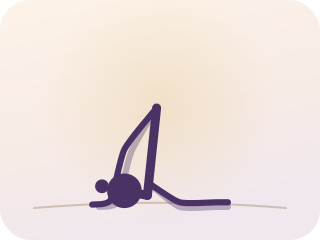
Halasana
Plough
8 breaths
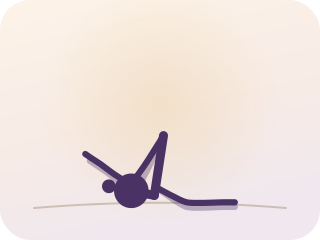
Karnapidasana
Ear pressure pose
8 breaths
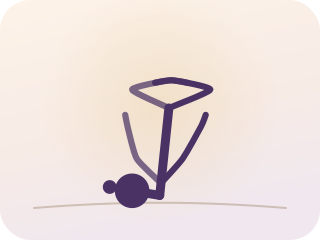
Urdhva Padmasana
Upward lotus
8 breaths
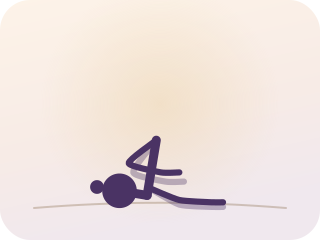
Pindasana
Embryo pose
8 breaths
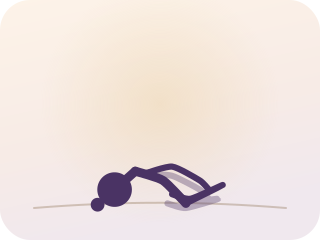
Matsyasana
Fish pose
8 breaths
The counter-pose to everything the shoulderstand has just asked of the neck.
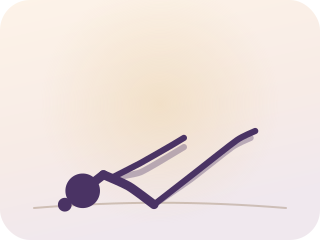
Uttana Padasana
Extended leg pose
8 breaths
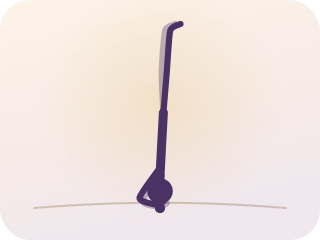
Sirsasana
Headstand
10 to 25 breaths, then rest
Take care: The same conditions as the shoulderstand apply, and more strictly. Build the time up slowly and come down before the neck tires rather than after.
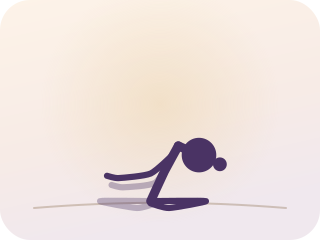
Baddha Padmasana and Yoga Mudra
Bound lotus, and the seal
10 breaths each
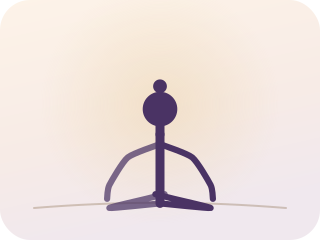
Padmasana
Lotus
10 breaths
Take care: Half lotus, or a simple cross-leg, is the right posture here for most bodies. Full lotus is earned, not taken.
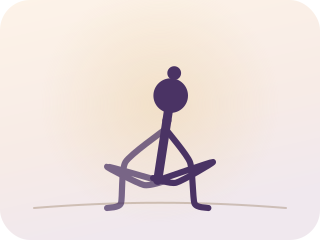
Utplutih
Lifted up
10 breaths
The last effort of the practice, and traditionally the closing chant follows it.
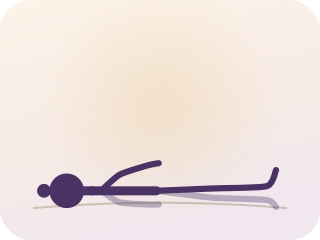
Savasana
Rest
5 to 15 minutes
Not optional and not a cool-down. The practice is finished lying down, for as long as it takes to stop feeling like work.
Before you practise
This page is a reference for a practice you have been taught, not a substitute for being taught it. Ashtanga is traditionally learned posture by posture from a teacher who can see you, and the inversions in the finishing sequence in particular are not safe to learn from a written list.
Practise on an empty stomach, and stop at pain rather than working through it. If you are pregnant, have high blood pressure, glaucoma or another eye condition, a neck, back, shoulder or knee injury, or are recovering from surgery, speak to your doctor and to a teacher before starting, and leave the inversions out. None of this is medical advice.
หน้านี้เป็นเพียงลำดับท่าสำหรับผู้ที่เคยเรียนมาแล้ว ไม่ใช่การสอนแทนครูผู้สอน โยคะอัษฎางค์ควรเรียนกับครูที่มองเห็นการฝึกของคุณได้ โดยเฉพาะท่ากลับหัวในช่วงท้าย ฝึกขณะท้องว่าง และหยุดเมื่อรู้สึกเจ็บ หากคุณตั้งครรภ์ มีความดันโลหิตสูง มีปัญหาดวงตา หรือมีอาการบาดเจ็บที่คอ หลัง ไหล่ หรือเข่า โปรดปรึกษาแพทย์และครูผู้สอนก่อนเริ่มฝึก
Practise it with us
Led and Mysore-style sessions run through the festival, and the sound healing library is the other half of what Awakenest sends home with you.